Herbs for Keeping Your Center: An Evidence-Informed Approach to Nervous System Support and Healthy Energetic Boundaries
Many people feel drained, overstimulated, or unable to say no — and herbal medicine offers evidence-informed ways to support the nervous system and strengthen energetic boundaries.
We often think about boundaries as psychological skills, but our bodies experience boundaries physiologically first. This can feel like an infiltration, or a constant hammering at the protective energetic shell of your body.
This can result in feeling like your nervous system is under constant threat, even at a low or unnoticeable level. Physically, this often shows up as tension, headaches, muscle spasms, and fatigue. An attack on your energetic body can show up emotionally as resentment, anger, or even fear. Understanding the energetic body and how herbs can support healthy boundaries through the nervous system is key to keeping yourself centered without taking on the stress and energy of others or the world.

The Energetic Body in Yoga Philosophy: A Brief Overview
In classical yoga philosophy, human experience is understood as more than just the physical body. Yogic traditions describe a subtle or energetic body — an organizing system through which vitality, perception, emotion, and consciousness are expressed.
Rather than being separate from biology, the energetic body can be understood as a map. This map contains the directional flow of energy and the energy centers (chakras). Understanding this map helps us recognize when and where energy is becoming stagnant or blocked, and offers a more holistic perspective on dis-ease and healing.
Prana: The Vital Life Force
At the center of yogic understanding is prana, or “primary energy,” which is also often translated as “breath” or “vital force.” However, prana is much more complex. Prana can be considered the original creative power. Its manifestation is responsible for the entire universe.
The Koshas: Layers of Human Experience
Yoga philosophy describes five interrelated “sheaths,” or koshas, that make up the whole person:
Annamaya Kosha — Physical Body: The tangible body: tissues, organs, and structure.
Pranamaya Kosha — Energy Body: Breath, vitality, and nervous system activation.
Manomaya Kosha — Mental-Emotional Body: Thoughts, emotions, and sensory processing.
Vijnanamaya Kosha — Wisdom Body: Insight, discernment, and inner knowing.
Anandamaya Kosha — Bliss Body: A state of deep integration and connection.
In yoga, the pranamaya kosha consists of 5 pranas, or vayus, or “forces of the air.”
Breath practices (pranayama), movement, meditation, and holistic lifestyle practices are traditionally used to support a healthy flow in the body.
Each of the koshas influence one another. Everything is connected. Changes in one layer affect the others. This is understood in modern times as the mind-body-spritual connection.
Nadis and Chakras: Pathways and Centers
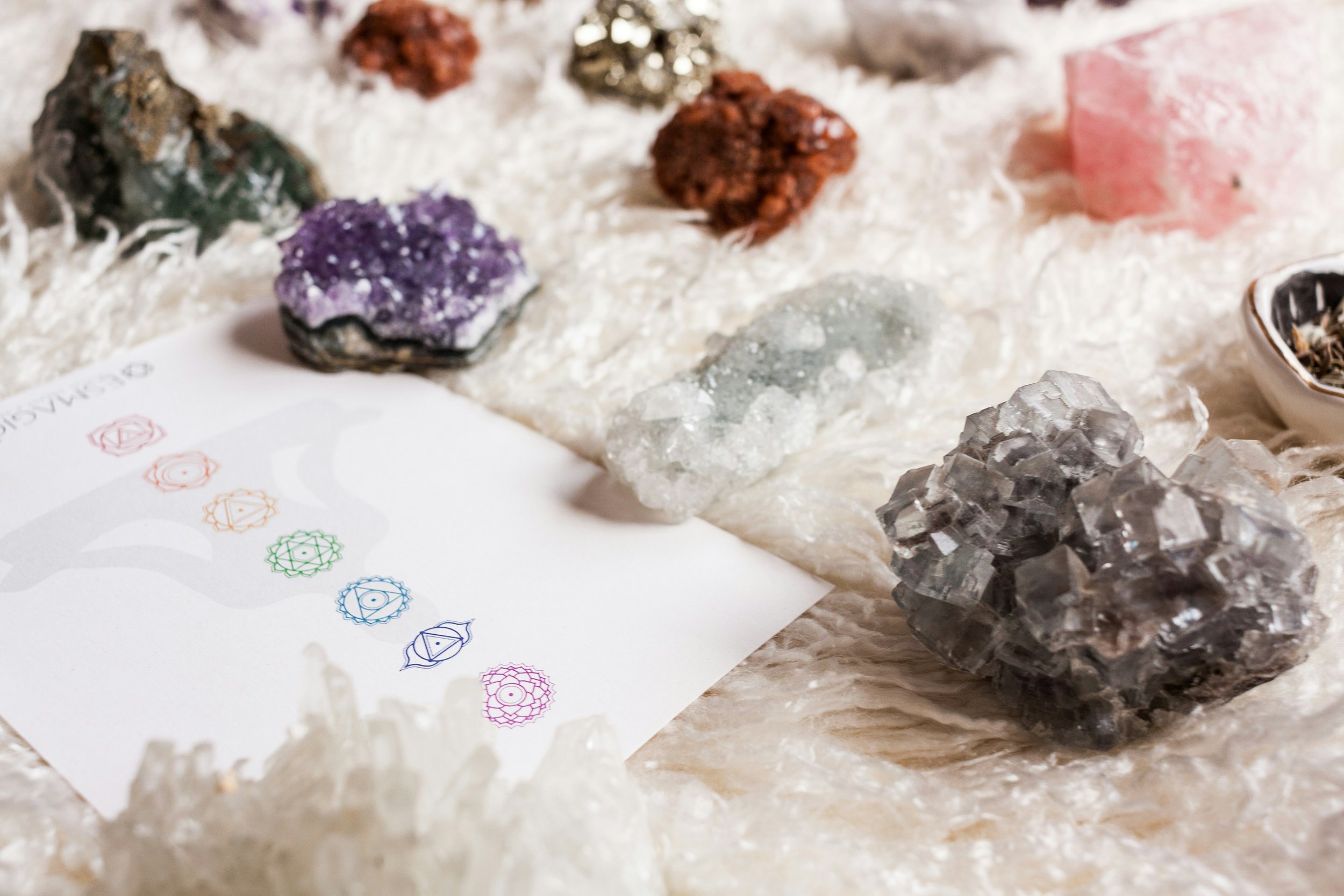
“Chakras are organizational centers for the reception, assimilation, and transmission of life-force energy. They are the stepping stones between heaven and earth.”
— Anodea Judith
The energetic body is described as containing channels called nadis, through which prana flows. Traditional texts describe thousands of these pathways, with three primary channels:
Ida: Left, lunar, rest, cooling, receptivity
Pingala: Right, solar, heating, outward engagement
Sushumna: Central channel, balance, integration
Along these pathways sit chakras, or energy centers, often understood as hubs where physical, emotional, and psychological processes intersect.
Energetic Boundaries in Yogic Thought
Within this framework, healthy boundaries are less about pushing the world away and more about maintaining flow and finding ways to contain prana.
When energy is dispersed or overstimulated, a person may feel porous or overwhelmed. Practices that stabilize breath, attention, and nervous system rhythm help restore a sense of internal containment — what many modern practitioners describe as strong energetic boundaries.
Bridging Tradition and Modern Understanding
Although the language differs, many people find meaningful parallels between yogic descriptions of the energetic body and contemporary understandings of:
Nervous system regulation (Polyvagal Theory)
Stress physiology (NIH Physiology Stress Reaction)
Sensory processing and resilience
Interoception (awareness of internal states)
From this perspective, herbal medicine, breathwork, and somatic practices can all support the body’s capacity to regulate and maintain balance.
Bridging Yogic Philosophy and Herbal Practice
While yoga describes the movement of prana through the energetic body, modern physiology offers another lens for understanding many of the same experiences. What earlier traditions observed as disrupted or depleted energy often parallels nervous system dysregulation — chronic stress, sensory overload, or difficulty shifting out of a hypervigilant state.
In this way, the language of the energetic body is an experiential map, describing how people feel when internal resources are either supported or overwhelmed.
Herbalism enters here not as a mystical solution, but as practical physiological support. Many traditional nervine and adaptogenic herbs influence stress signaling, digestion, sleep rhythms, and emotional regulation — the very systems that allow a person to feel grounded, present, and able to maintain healthy boundaries (American Botanical Council).
Rather than creating boundaries for us, herbs help restore the internal conditions that make boundaries possible. When the nervous system feels safer and more regulated, attention becomes clearer, reactions soften, and the body regains its natural capacity to be open and closed off in appropriate ways.
Seen this way, herbal medicine and yogic philosophy are complementary frameworks, describing the same human process: learning to remain connected without becoming depleted.
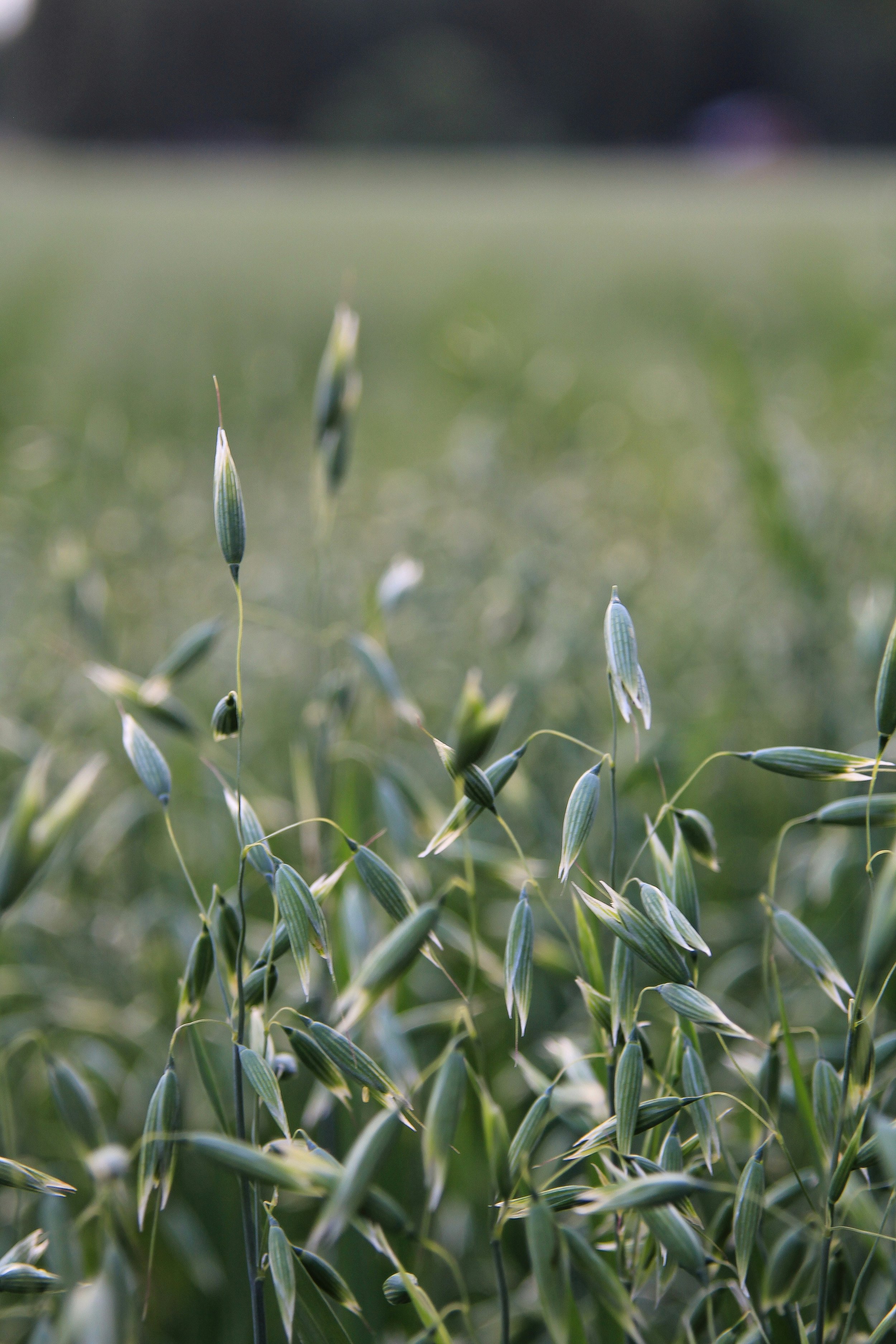
Milky Oats (Avena sativa)
A gentle nervine for nervous system support.
A Gentle Understanding of Boundaries
Healthy boundaries are often framed as something we must learn to enforce through effort or discipline. But many people discover that boundaries become more accessible when the body itself feels supported. A regulated nervous system naturally knows when to engage and when to rest, when to offer care and when to step back.
Yoga philosophy reminds us that balance comes from the steady flow and containment of vital energy. Herbal traditions remind us that the body can be nourished back toward that steadiness. Together, these perspectives invite a gentler understanding: boundaries are not walls we build against the world, but capacities that emerge when we feel resourced enough to remain present within ourselves.
Supporting the body with rest, breath, herbs, and thoughtful daily rituals does not remove life’s demands — but it can help us meet them without losing ourselves in the process. Over time, what once felt like effort begins to feel more like alignment: a quiet ability to stay rooted, responsive, and connected to our own center.
If this resonates, you don’t have to figure it out alone. Thoughtful herbal support can be one way of learning to care for your energy in sustainable, embodied ways.
Genessa Zickefoose is a clinical herbalist and educator devoted to helping people reconnect with steadiness and resilience through practical, nervous-system-supportive herbalism.
References & Further Reading
Classical Texts & Philosophy
Yoga Sutras of Patanjali — translation by Edwin Bryant (Amazon)
Bhagavad Gita — translation by Eknath Easwaran
Upanishads — translation by Patrick Olivelle
Modern Interpreters
“Understanding Prana” by David Frawley (Yoga International)
B. K. S. Iyengar (Iyengar Yoga)
Georg Feuerstein (Traditional Yoga Studies)
Nervous System & Mind-Body Science
Polyvagal Theory — Stephen Porges (stephenporges.com)
The Emerging Science of Interoception: Sensing, Integrating, Interpreting, and Regulating Signals within the Self (NIH Article)
Herbal Evidence & Resources
American Botanical Council (herbalgram.org)
Adaptogens - Herbs for Strength, Stamina and Stress Relief by David Winston, RH(AHG)