Nourishing Your Bones in Midlife: Four Mineral-Rich Herbs to Support Lifelong Bone Health
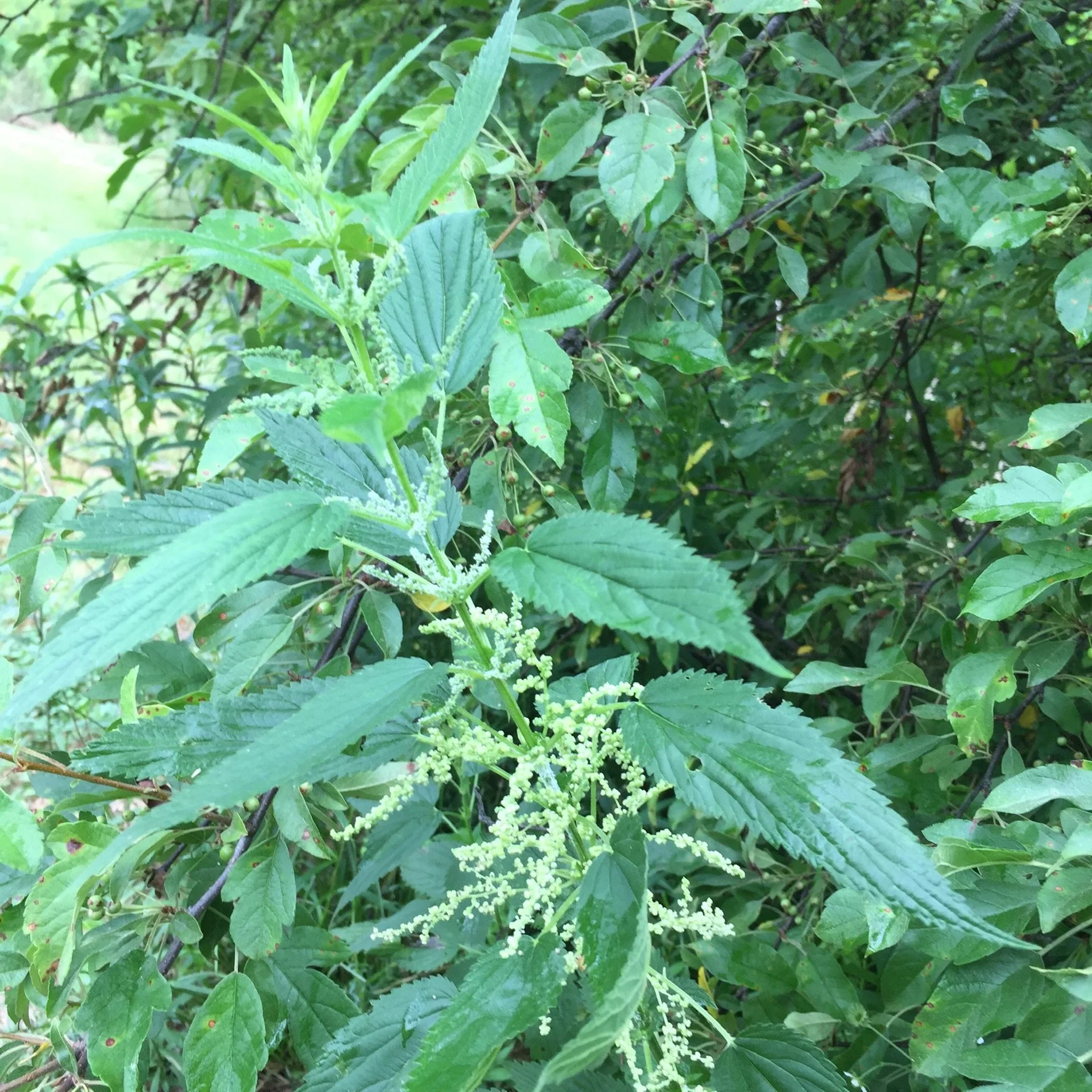
Stinging Nettle (Urtica dioica)
One of the many myths about midlife is that bone loss is inevitable and something we just have to accept. Similar to many other midlife myths, there are actions that we can take to support bone health. As a teenager, I kept hearing how important it was to drink lots of milk to support my bones, but old age seemed so far off that it was easy to push off any worries, especially since I found the taste of milk highly offensive. While not being able to connect my current actions to my future health is a relatively common teenage experience, the part I really failed to understand was that bone loss doesn’t just start in your seventies or eighties. Depending on one’s personal experience and the timing of menopause, bone loss can happen much earlier in life.
During perimenopause, declining estrogen levels accelerate bone loss, making it easier to lose bone density than to rebuild it. While many conversations about bone health focus on calcium supplements, there's another tradition worth exploring—one rooted in food, plants, and nourishment.
For generations, herbalists have prepared mineral-rich herbs as everyday foods, nourishing infusions, and herbal vinegars to gently support overall nutrition. While these herbs are not a treatment for osteoporosis, they can be a beautiful addition to a lifestyle that supports healthy bones alongside strength training, adequate protein, vitamin D, quality sleep, and guidance from your healthcare provider.
Why Bone Health Changes During Perimenopause and Menopause
Our bones are living tissues that are constantly remodeling, or renewing themselves. Throughout one’s life, osteoclasts work to break down old bone, while osteoblasts build new bone. When we are younger, the process of breaking down and rebuilding are generally well balanced. However, during perimenopause, as estrogen levels begin to decline, this balance shifts, leading to overall changes in bone health.
Estrogen plays an important role in maintaining bone health. As hormone levels fluctuate and eventually decrease, bone is often broken down more quickly than it can be rebuilt (The Menopause Society, 2026).“In the five to seven years after menopause, women can lose up to 20% or more of their bone density,” (Bone Health & Osteoporosis Foundation, n.d.). Thus, midlife is one of the most important times to invest in lifelong bone health.
Fortunately, bone health is influenced by many factors beyond calcium alone. Various forms of exercise including resistance training and weight bearing exercise can help stimulate new bone formation. Proper nutrition is also key to bone health. Adequate protein provides the building blocks for healthy bone tissue. Vitamins and minerals contribute to healthy bone metabolism. For example, vitamin D supports calcium absorption, Other supporting minerals and nutrients include magnesium, vitamin K, boron and silica.
This is where herbal traditions can be a great complement to a comprehensive bone health plan. Many of the herbs commonly stocked in apothecaries are naturally rich in minerals and phytonutrients, and have been prepared in food form, long-steeped infusions and herbal vinegars for generations. While these herbs should not be viewed as a treatment for osteoporosis, they can be a tool for adding nutrients to your routine while supporting overall wellness.
A Nourishing Herbal Perspective
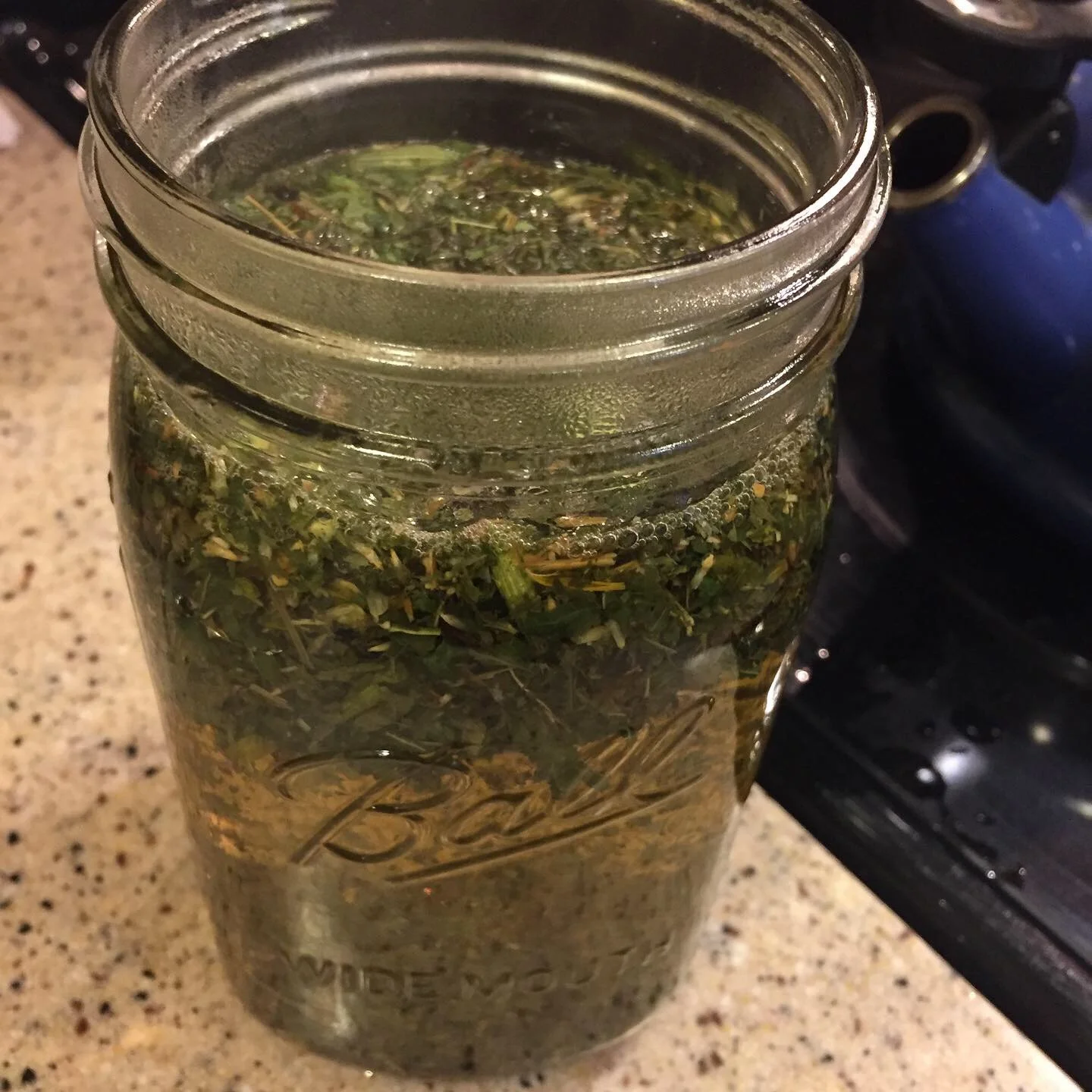
Nourishing Herbal Infusion
Many herbalists think less about isolated nutrients and more about eating and drinking whole plants that naturally contain a wide range of vitamins, minerals, phytonutrients and chlorophyll. Rather than asking, “How much calcium does this particular herb contain?” herbalists often ask, “How can one consistently nourish their body with mineral-rich plants?” One of my favorite ways to do this is through drinking nourishing herbal infusions.
Popularized by herbalist Susun Weed, a nourishing herbal infusion (NHI) is a long-steeped tea made with a generous amount of dried herbs (Weed, n.d.). Oftentimes, this infusion can steep overnight, and be sipped on throughout the next day. The long steeping time is traditionally used to create a concentrated infusion of the plant’s water-soluble constituents.
The traditional preparation consists of:
1 ounce (by weight) of dried herb(s)
1 quart of boiling water
It is prepared by adding the dried herb(s) to a quart sized glass jar. Pour boiling water over the herbs to the top of the jar. Cover the jar with a lid, and let steep for 4-12 hours. Strain and enjoy the infusion throughout the day (Weed, n.d.).
Another wonderful option is to make an herbal vinegar with nutrient rich herbs. This vinegar can be drizzled over roasted vegetables, whisked into salad dressings, or added to soups and grain bowls.
Four Favorite Herbs for Midlife Bone Nourishment
One thing that bone nourishing herbs have in common? They are all richly colored, nutrient-dense plants that have been valued in folk herbalism for generations.
Stinging Nettle (Urtica dioica)
Nettle is one of the most beloved nourishing herbs in Western herbal traditions. Nettle contains a wide range of naturally occurring vitamins, including vitamin A (as cartenoids), several B vitamins, C, D, and K. It also provides minerals including calcium, magnesium, manganese, boron, phosphorous, potassium, iron, chromium, and silica, along with abundant chlorophyll (Romm, 2018).
Traditional preparations include:
cooked as leafy greens (CAUTION: never eat raw due to stinging hairs)
nourishing herbal infusions
herbal vinegars
Milky Oats (Avena sativa)
Milky oats are best known as a deeply nourishing herb for the nervous system, but they also contribute valuable vitamins and minerals. They naturally contain B vitamins, vitamins C, D, E, K, carotene, along with calcium, magnesium, chromium, and silica.
The fresh “milky” oat tops are commonly tinctured during a brief stage of development when the immature seed releases a milky sap if gently squeezed. If your goal is simply to enjoy the nutritional benefits of oats, a hearty bowl of oatmeal is one of the easiest and most accessible options (Romm, 2018).
Horsetail (Equisetum arvense)
Horsetail is a remarkable prehistoric plant that has been used in herbal traditions around the world for centuries. It is especially appreciated for its naturally occurring silica, along with calcium, magnesium, potassium, chromium, carotenoids, bioflavonoids, iron, and copper.
Experienced herbalists note that silica is most abundant and available during specific stages of the plant’s growth, making proper harvest timing especially important (Romm, 2018).
Traditional preparations include:
Fresh infusions
Decoctions (gently simmered teas)
Fresh-plant herbal vinegars
Freeze-dried capsules
Dandelion Leaf (Taraxacum officinale)
While this plant is often dismissed as a noxious weed, dandelion is actually one of our most nutritious wild edible plants. Dandelion leaves provide calcium, magnesium, boron, iron, and potassium.
Traditional preparations include:
Fresh salads
Cooked greens
Herbal vinegars
Juice
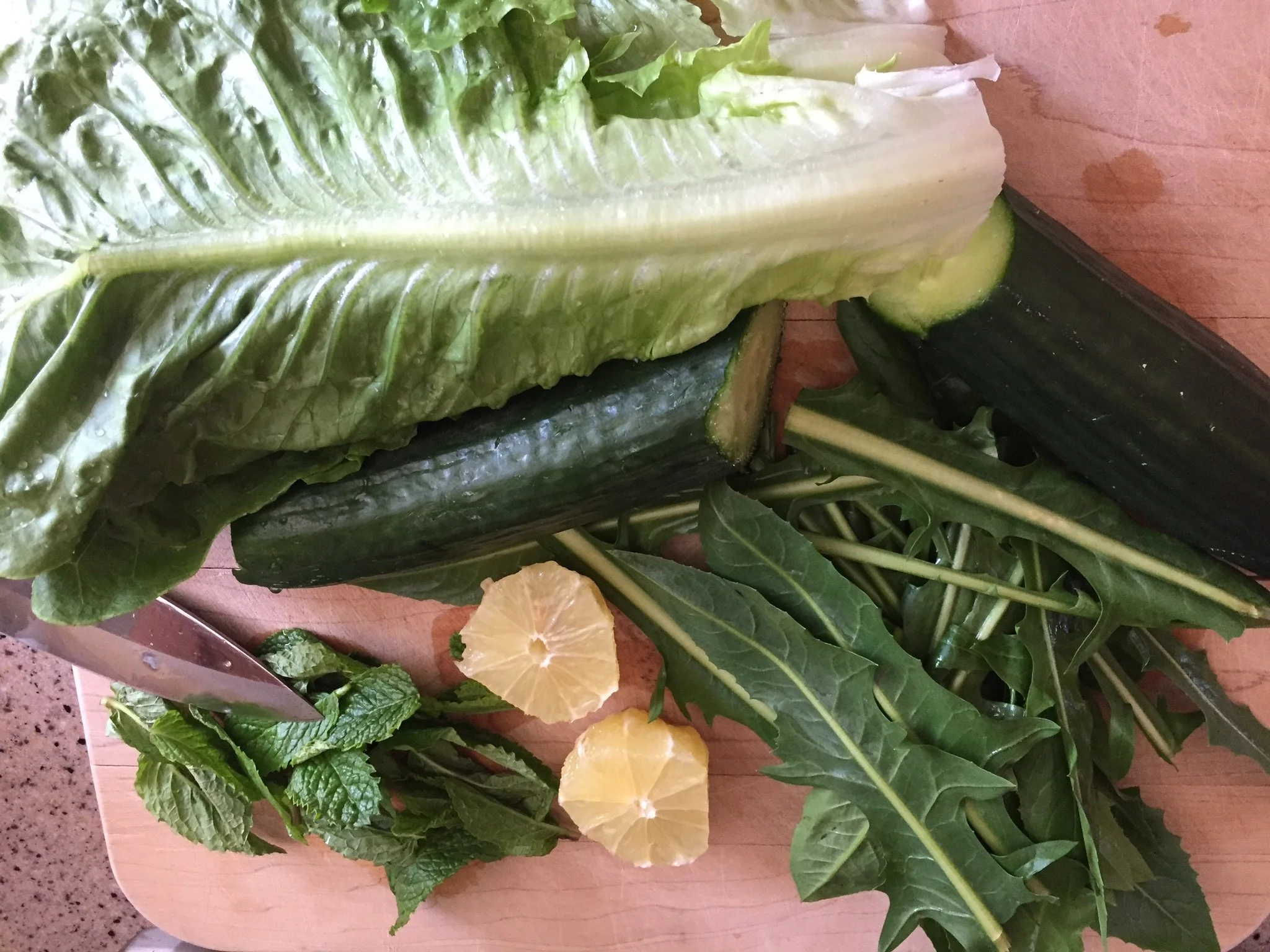
Dandelion leaves with other ingredients for green juice.
A Gentle Reminder
Healthy bones require more than calcium alone. A comprehensive approach that includes nutrition, nourishing herbs, such as the ones described here, and regular weight-bearing exercise can offer a well-rounded approach. Nourishing herbs in the form of food, nourishing herbal infusions, vinegars and more fit nicely into a lifestyle centered around vitality and resilience, rather than quick fixes. But, remember, “natural” doesn’t always mean appropriate for everyone. Herbs can interact with medications and may not be appropriate during pregnancy or with certain health conditions. If you have questions about which herbs are right for you, work with a qualified clinical herbalist and your healthcare provider before beginning a new herbal routine.
At The Mother Hive
We believe that herbs are at their best when they are woven into a daily routine, and where they can serve as nourishing companions that support the body’s remarkable ability to care for itself. Sometimes that support is through sipping on a mug of nettle infusion. Sometimes it’s through adding dandelion greens to your salad at dinner. Sometimes, support looks like slowing down long enough to feel nourished. Small, consistent acts of nourishing your body (and your bones), add up over time.
References
Bone Health & Osteoporosis Foundation. (n.d.). Bone basics. Bone Health & Osteoporosis Foundation — Bone Basics
Romm, A. J. (2018). Botanical medicine for women’s health (2nd ed.). Elsevier.
Słupski, W., Jawień, P., & Nowak, B. (2021). Botanicals in postmenopausal osteoporosis. Nutrients, 13(5), 1609. https://doi.org/10.3390/nu13051609
The Menopause Society. (2026, May 12). Osteoporosis could prove deadly in postmenopausal women. The Menopause Society article
Weed, S. S. (n.d.). How to make nourishing herbal infusions. Susun Weed.